
Fielding Drills That Actually Improve Your Catching Reflexes
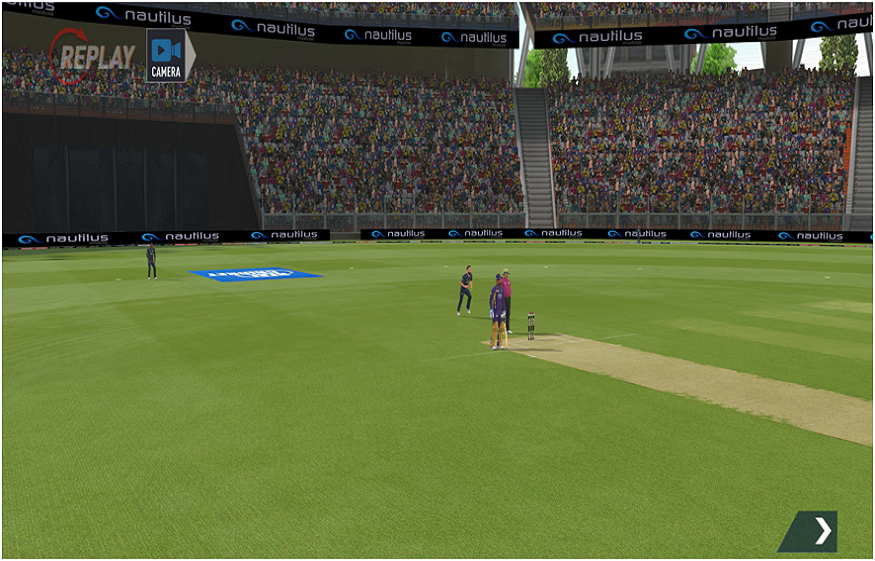
Fielding can change a cricket match within a fraction of a second. A sharp edge, an unexpected deflection or a fast return throw can create an opportunity before a player has time to think. This is why reflex training remains important for anyone who wants to become more reliable in the field.
The same awareness matters when playing games on a cricket app. Players must observe the ball, judge its direction and react quickly. Many cricket games become more engaging when fielding demands attention instead of completing every action automatically.
Fielding Drills that Actually Improve Your Catching Reflexes
Have you ever reached for a catch but reacted a moment too late? Well, the problem may not be your hands alone. Catching depends on watching the ball, maintaining balance and preparing the body before the opportunity arrives.
A useful reflex drill involves standing nearly two metres from a wall, throwing a tennis ball firmly and catching the rebound with the same hand. The changing angle makes every return different. Hence, the player must track the ball rather than memorise one movement.
Practising and Improving the Rebounds
Real catches rarely arrive at the perfect height. The ball may dip, rise or change direction after touching another surface. This is why wall catches and deflection drills can improve hand-eye coordination.
Start with controlled throws (at different speeds and angles). Also, ensure you practise with both hands so that one side does not remain weaker. This drill builds confidence and agility (as the player learns to adjust when the ball swings in the air).
Improve Your First Movement
Catching reflexes are not only about moving the hands quickly. A fielder must also take the first step in the correct direction. Cone shuffles can improve lateral movement, balance and foot coordination.
Place two cones around five metres apart and move between them without crossing the feet. For wider distances, use a crossover step by turning the hips slightly and pushing from the outside leg. These movements help fielders reach balls travelling away from them.
Read More: What to Check Before Booking a Local Computer Repair Technician
Maintain A Low Centre Of Gravity
Ground fielding also supports catching confidence. Bend through the knees, keep the back balanced and bring the hands close to the ball’s path. Once the collection is secure, recover quickly and prepare an accurate throw.
Apps like Real Cricket™ combine manual pickups, throws, catches and direct-hit attempts with more than 500 batting shots, a directional shot map and competitive multiplayer options. These features create an enhanced gaming experience that meets the expectations of gaming enthusiasts by making fielding part of the wider match plan.
Final Overview
One successful catch does not make a reliable fielder. Practising different types of catches helps reduce hesitation and improves the ability to recognise different trajectories.
Read More: Frequency Converter Buying Guide: Key Features to Consider
The same principle applies to cricket games. Players become more confident when they repeatedly observe the ball, choose the correct fielding action and respond at the right moment. Catching reflexes improve when practice combines repetition, uncertainty and controlled movement.